
Overview:
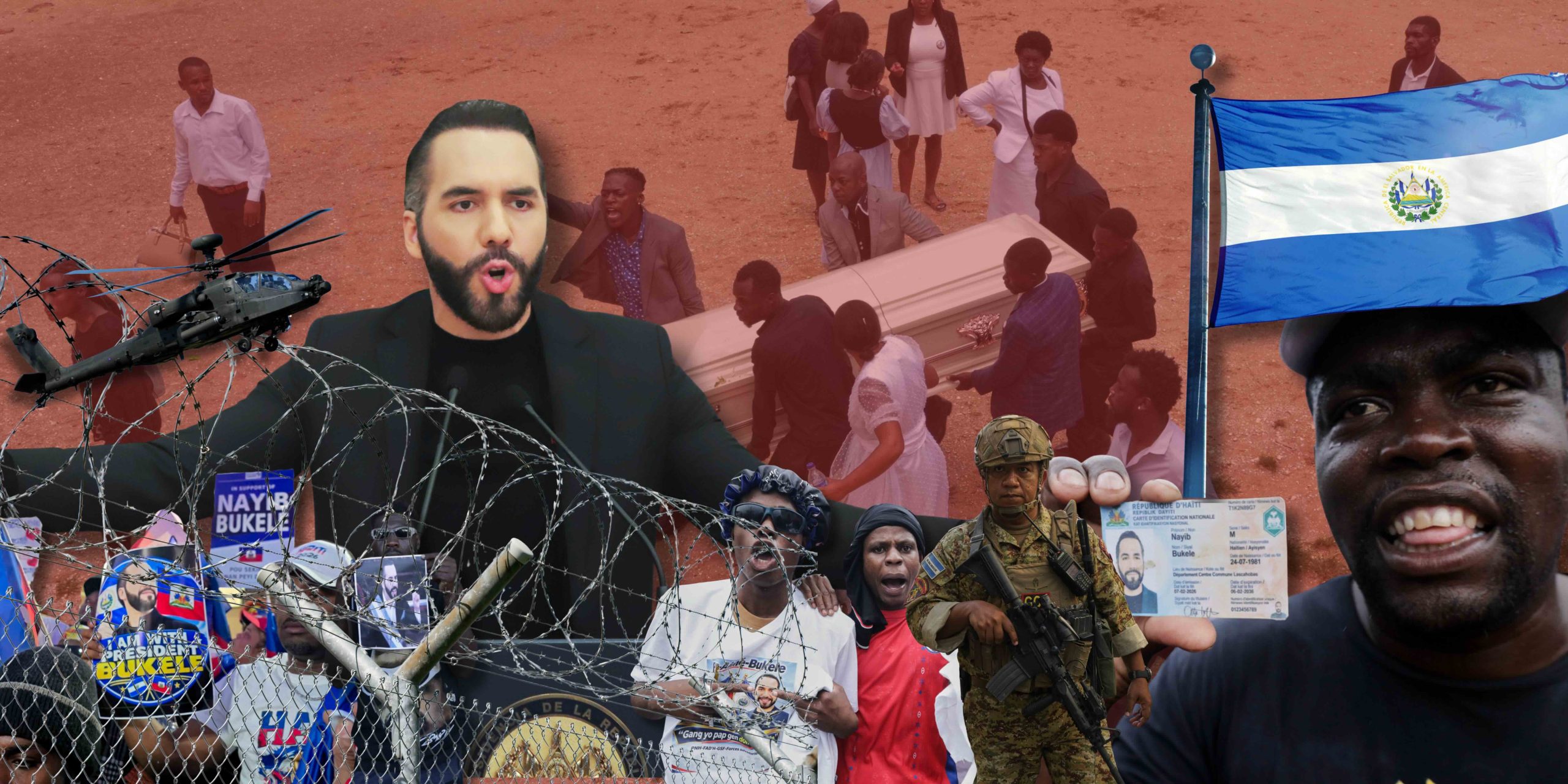
Hundreds of Haitians want to Salvadoran President Nayib Bukele and his forces as a doable reply to Haiti’s gang disaster, with some overtly portraying him because the nation’s savior. However as Salvadoran forces set off army strikes, analysts and different observers are divided over what the deployment can actually obtain.
PORT-AU-PRINCE – When Jean Alexandre attended a rally on Nov. 18 within the coronary heart of Brooklyn’s Little Haiti neighborhood in help of Salvadoran President Nayib Bukele, he had his brother and the investments they’d made again residence in Haiti in thoughts.
After working in america for 42 years, Alexandre had amassed sufficient cash to ship eight dump vehicles and mechanical tools to Haiti. However the gang violence gripping Haiti’s Artibonite area shattered the progress he and his brother had made.
“Every thing disappeared, [the gangs] took all the pieces away,” Alexandre mentioned. His brother, he added, misplaced property price “not less than $200,000.”
For Alexandre, supporting Bukele is greater than politics; it’s private.
“I got here to help the rally… for the nation of Haiti. Particularly for Petite-Rivière-de-l’Artibonite,” he mentioned, whereas standing amongst dozens of different Bukele supporters holding Haitian and Salvadoran flags.
-
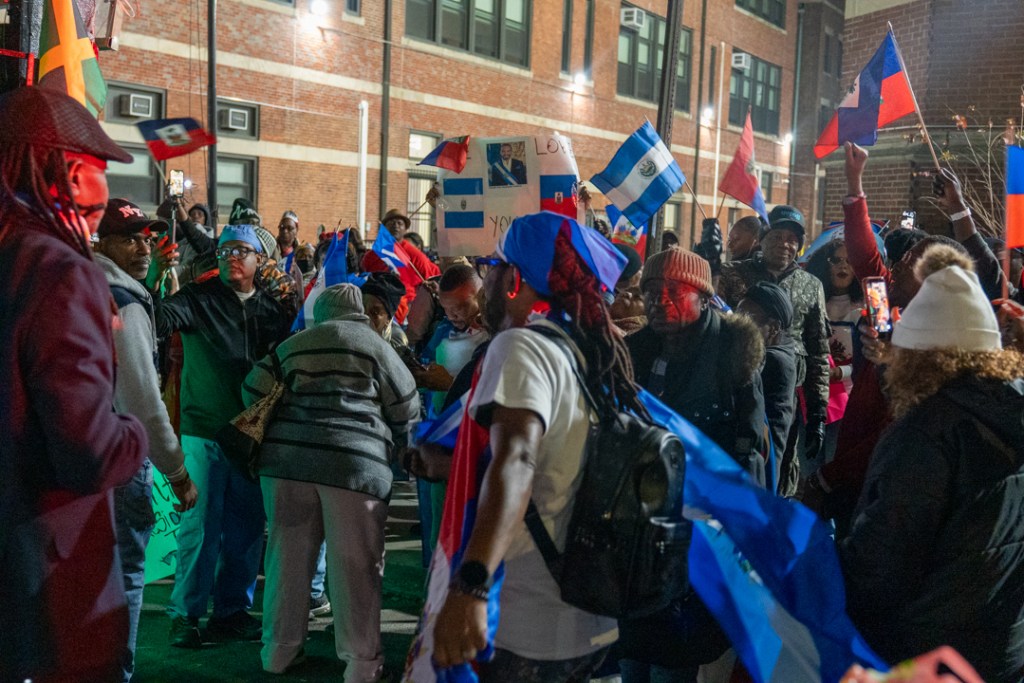
Demonstrators marched in Brooklyn’s Little Haiti on Wednesday, November 18, 2026, to specific help for Salvadoran President Nayib Bukele and his army marketing campaign towards gangs in Haiti. Picture by Fredner Cayemite/The Haitian Occasions -
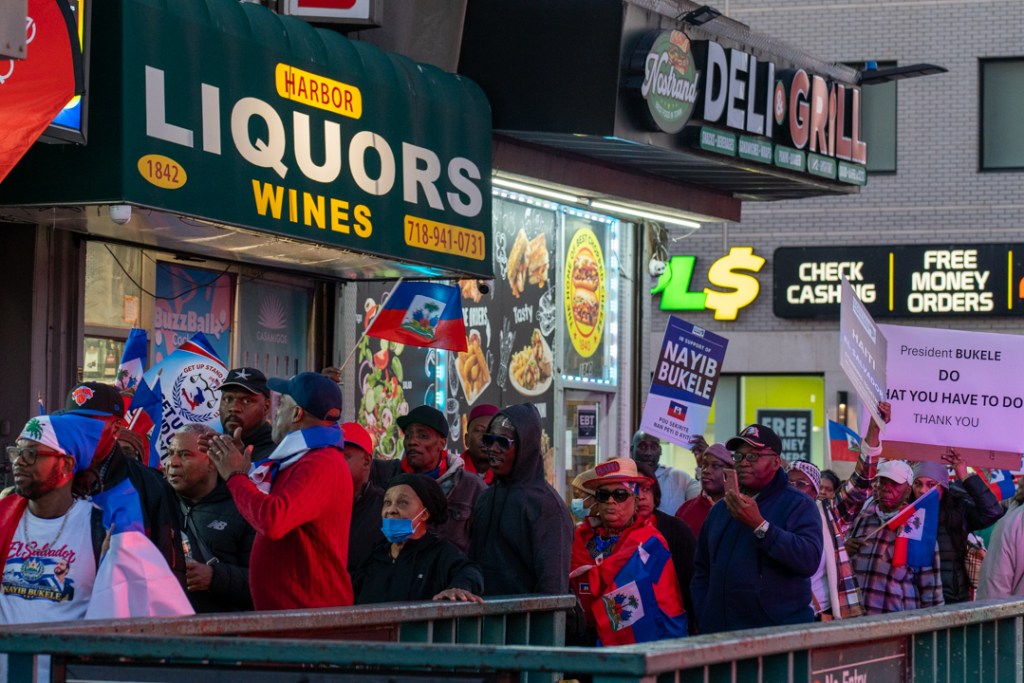
Demonstrators marched in Brooklyn’s Little Haiti on Wednesday, November 18, 2026, to specific help for Salvadoran President Nayib Bukele and his army marketing campaign towards gangs in Haiti. Picture by Fredner Cayemite/The Haitian Occasions
Simply final week my brother went to Haiti and the gangs “ killed 15 residents” and “burned 30 homes within the space of Gara, who did nothing,” he added.
Alexandre needs Bukele to ship a closely armed army drive into Artibonite to assist reclaim the area from gangs.
Can a special president develop into the reply to Haiti’s determined seek for safety and stability?
For some Haitians, like Alexandre, the reply now could be Bukele, whose hard-line marketing campaign towards gangs in El Salvador has made him a logo of hope as armed teams proceed to terrorize communities throughout Haiti.
In latest demonstrations throughout Haiti and in pockets of the diaspora, supporters have shared comparable sentiments, waving Salvadoran flags, sporting shirts bearing Bukele’s picture, and calling on him to take a stronger function in Haiti’s struggle towards gangs.
-
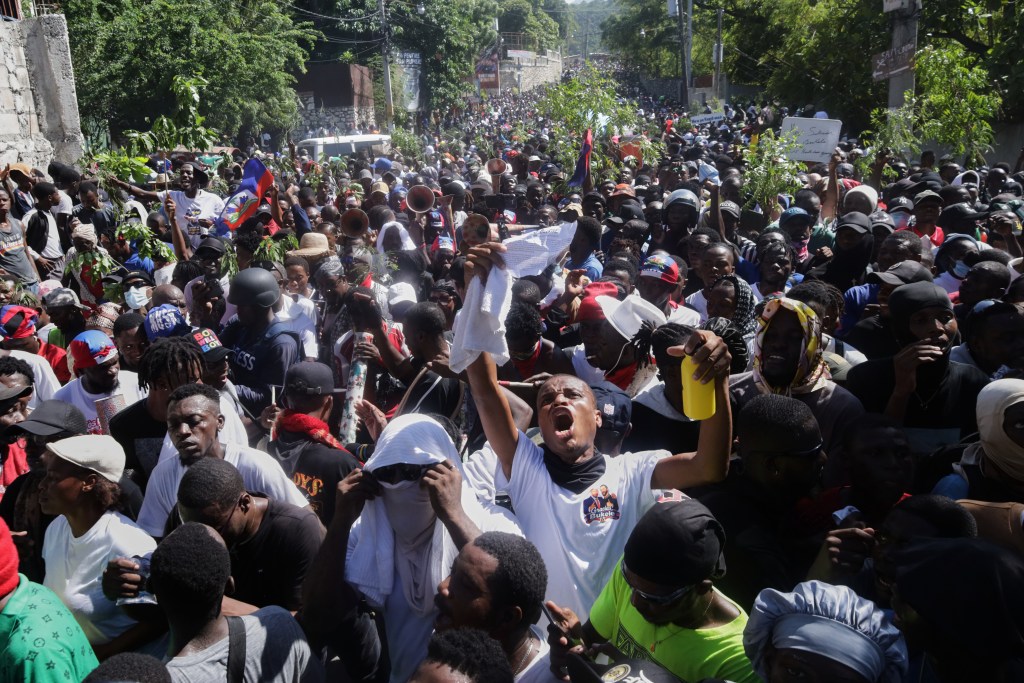
Residents take to the streets to show their help for Salvadoran President Nayib Bukele and the deployment of Salvadoran troopers to struggle armed gangs in Port-au-Prince, Haiti, Tuesday, Nov. 17, 2026. (AP Picture/Patrice Noel) -
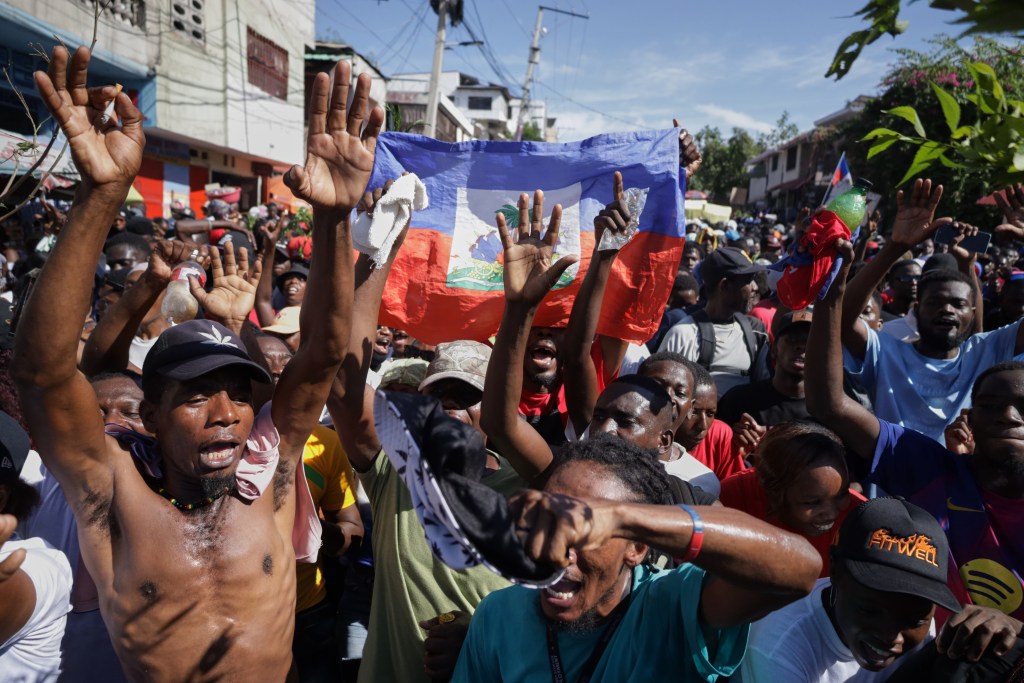
Residents take to the streets to show their help for El Salvador President Nayib Bukele and the deployment of troopers to struggle armed gangs in Port-au-Prince, Haiti, Tuesday, Nov. 17, 2026. (AP Picture/Patrice Noel) -
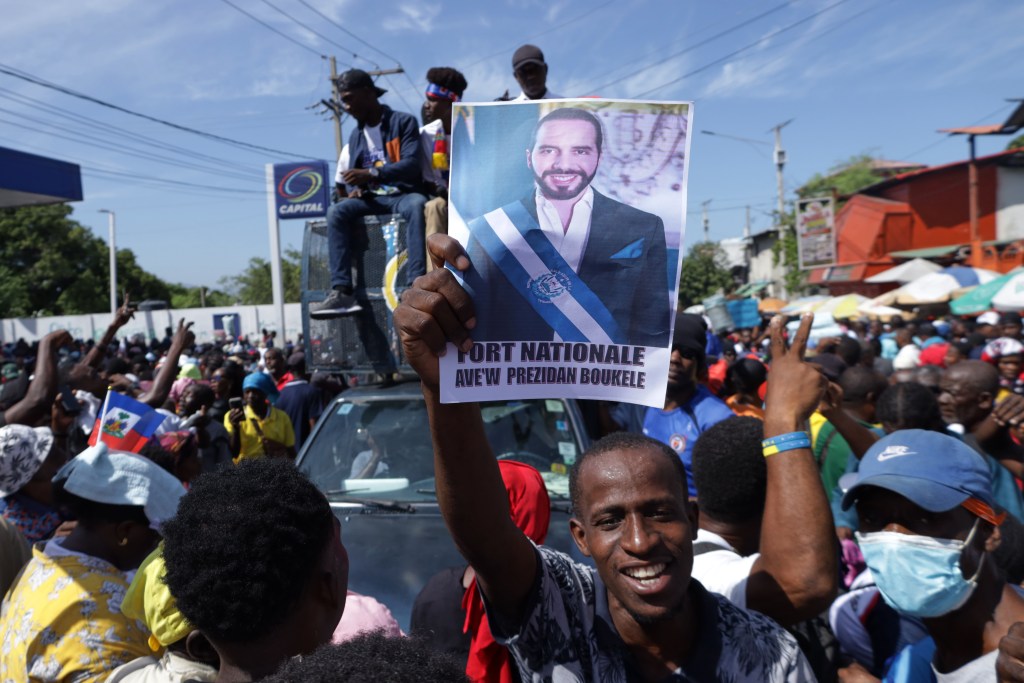
Residents take to the streets to show their help for Salvadoran President Nayib Bukele and the deployment of Salvadoran troopers to struggle armed gangs in Port-au-Prince, Haiti, Tuesday, Nov. 17, 2026. (AP Picture/Patrice Noel) -
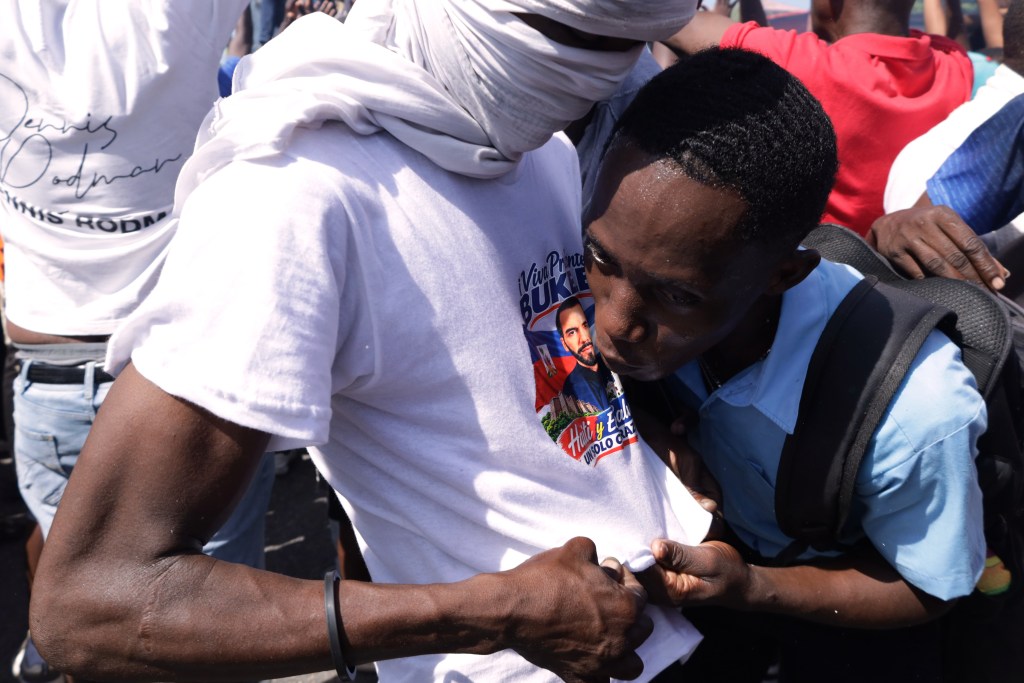
A protester kisses a T-shirt that includes a picture of El Salvador’s President Nayib Bukele to indicate his help for the deployment of Salvadoran troopers to struggle armed gangs in Port-au-Prince, Haiti, Tuesday, Nov. 17, 2026. (AP Picture/Patrice Noel)
Some have gone as far as to say, “Bukele, the nation is yours, do no matter you need.”
Their message displays greater than enthusiasm for a overseas chief. It exposes the depth of frustration with Haiti’s political class and state establishments, which have failed to supply fundamental safety after years of escalating violence.
However whether or not Bukele can develop into the savior some Haitians hope for is one other query. Analysts warning that the presence of overseas troops alone can not resolve years of chaos and political, institutional and financial issues which have allowed armed teams to broaden.
The demonstrations elevate a troublesome query for a rustic whose independence was received by way of a struggle towards overseas domination: When the officers you set accountable for the state can not defend its individuals, how far are they prepared to look past their borders for assist?
A seek for a savior who can restore order
November holds explicit significance for Haitians. On Nov. 18, Haiti commemorates the Battle of Vertières, the decisive battle that led to the creation of the world’s first Black republic.
The pride and fanfare Nov. 18 – Jour de Vertières – brings are rivaled only by Independence Day on Jan. 1 and Flag Day on May 18. On each of these occasions, Haitians celebrate their hard-won independence, reaffirming the country’s sovereignty and its place in history as a beacon of freedom.
Given the history and weight of Nov. 18 for Haitians, choosing to demonstrate on that date made the demonstrations particularly striking. On a day when Haitians traditionally celebrate their independence, some Haitians were calling on a foreign president to take a greater role in their country’s security.
For a nation whose independence remains central to its identity, Haitians ostensibly welcoming the arrival of troops from El Salvador deployed by Bukele represents a stunning shift in sentiment.
The appeal comes after years of escalating violence. The sight of Haitians welcoming foreign forces onto their soil, rather than resisting their presence, underscores the desperation many feel under the grip of organized gangs.
Their enthusiastic celebrations following military strikes on two gang leaders’ compounds further reflect the extent to which politically connected gangs have disrupted daily life and devastated communities across Haiti.
“Bukele, hit them with drones,” supporters chanted at rallies.
Such expressions were shouted out, written on placards, stenciled on T-shirts across Haiti and the diaspora, and shared on social media. Thousands have taken to wearing shirts bearing the Salvadoran president’s image, draping Salvadoran flags over their backs or necks, and singing creative songs praising Bukele.
For some Haitians, the promise of a foreigner who can confront armed groups has become more urgent than the political concerns traditionally associated with foreign intervention.
But the enthusiasm has also raised questions among scholars and longtime observers of Haiti.
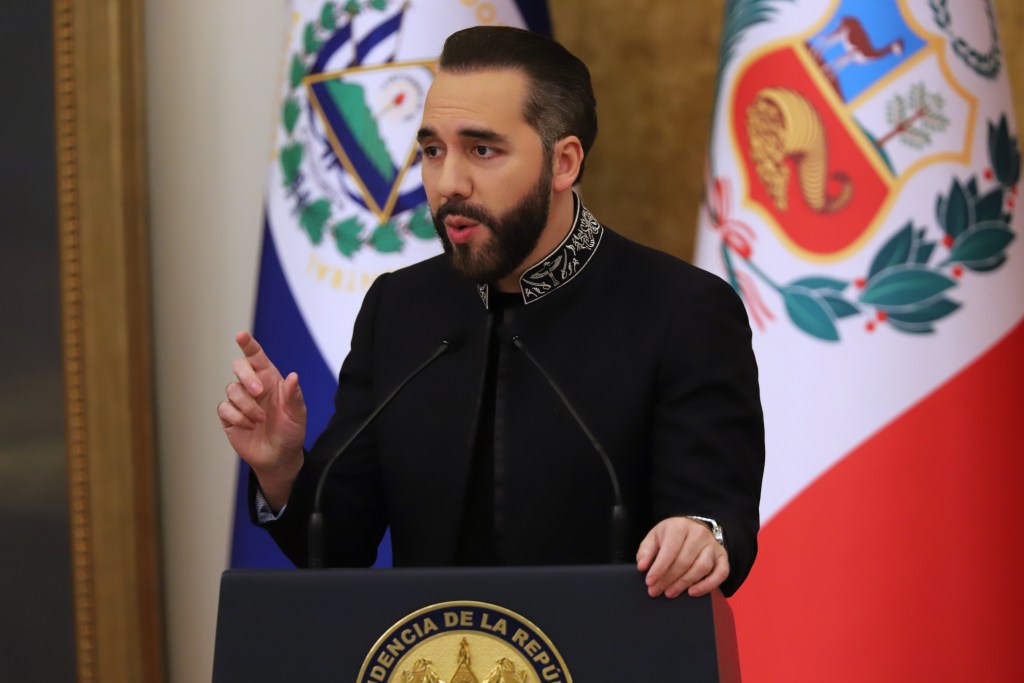
The question now is whether Bukele’s hard-line approach to combating gangs in El Salvador, widely known as the “Bukele Model,” can deliver similar results in Haiti — and at what cost to the country’s sovereignty.
To see a people who so often describe themselves as a nationalist and patriotic nation, proud of their independence, turn around and applaud the deployment of a foreign force is a phenomenon that has raised endless questions and sparked debate.
Standing out from the many queries and debates is the most important question: Is Bukele a savior of Haiti, as so many want him to be? Or is his deployment the beginning of a road that may very well lead Haitians to pay the ultimate price – freedom – in the long run?
Mary Speck, a senior associate of the Center for Strategic and Worldwide Research’ Americas Program, mentioned a lot will depend on the Salvadoran authorities’s aims and the way its forces function alongside Haiti’s present safety establishments.
“[It’s] too quickly to say whether or not the Salvadoran operation will assist or damage Haiti,” Speck, informed The Haitian Occasions over e mail. She can also be a former senior advisor on the U.S. Institute of Peace and chief of the Western Hemisphere Drug Coverage Fee.
“If the Salvadoran contingent coordinates with the [Haitian National Police] and the [Gang Suppression Force], these reinforcements can solely assist. However we don’t know what Bukele’s technique is.”
Haitians ‘out of choices’
The keenness for Bukele additionally revives a protracted and troublesome debate about overseas intervention in Haiti.
The deployment of Salvadoran troops is just not the primary time overseas troops have entered Haiti in fashionable historical past, relationship again to the U.S. occupation of Haiti from 1915 to 1934.
Nonetheless, such an enthusiastic reception is uncommon, rivaled in latest reminiscence solely by Operation Uphold Democracy, the 1994 multinational drive consisting of 20,000 U.S. troops and a couple of,000 personnel from 27 different international locations that returned the then-ousted President Jean-Bertrand Aristide to energy.
Since then, Haiti has skilled a number of overseas missions, together with the deployment of the United Nations Stabilization Mission in Haiti (MINUSTAH) in 2004. Earlier than MINUSTAH’s arrival, Haiti had entered a protracted political and safety disaster involving armed teams, together with pro-government chimères, former Haitian troopers and armed opposition teams concerned in clashes and political violence.
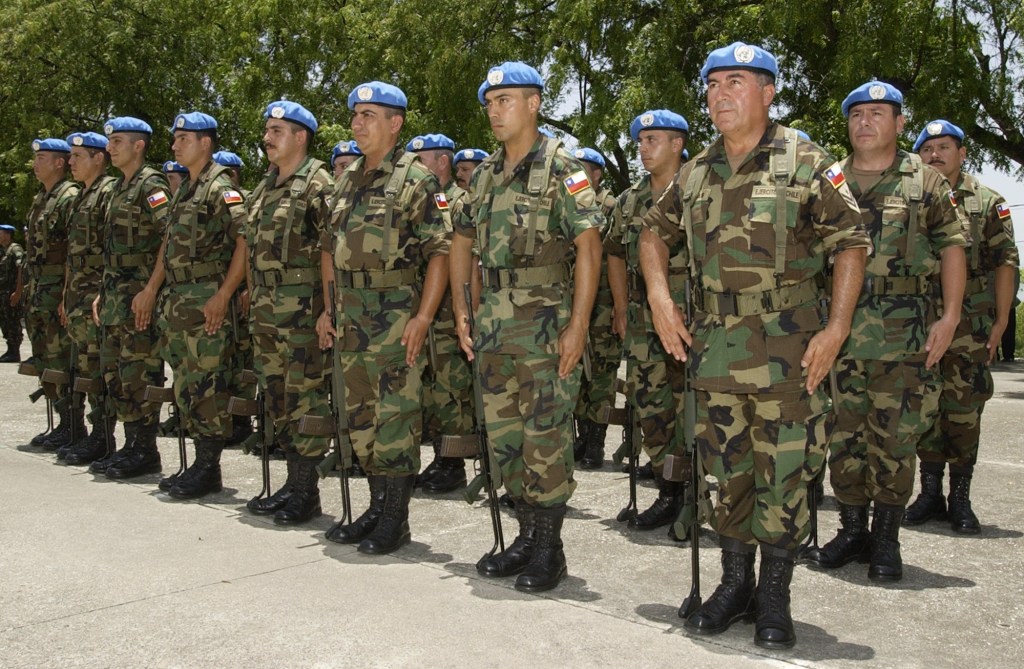
Residents going through gang violence continued to hope for legislation and order to outlive. In October 2006, for instance, residents of Cité Soleil welcomed the return of Haitian National Police (PNH) officers, expressing their willingness to cooperate in restoring peace to the violence-plagued neighborhood.
Since 2021, when the assassination of President Jovenel Moïse left a governance vacuum within the nation, Haiti has seen renewed deployments of overseas safety forces, together with the Kenya-led Multinational Safety Help Mission (MSS) and, extra lately, the Gang Suppression Drive (GSF).
In the meantime, gangs have develop into extra highly effective and unfold additional. Regardless of Haitians’ enchantment for gang members to finish the bloodshed, revelations of hyperlinks between politicians and gangs, quite a few sanctions and homegrown vigilante efforts, gangs akin to Viv Ansanm and 400 Mawozo have continued to terrorize the inhabitants largely unchecked.
This month, the general public shows of pleasure on the sight of a overseas drive seen as a possible savior stand out in Haiti’s lengthy historical past of overseas interventions.
Eduardo Gamarra, a professor of politics and worldwide relations at Florida Worldwide College, labored as a police coaching guide in the course of the Martelly-Lamothe administration. For him, the reception is unprecedented.
“We’ve by no means seen something like this earlier than,” Gamarra mentioned. “In a means, they [Haitians] are working out of choices. Their scenario is de facto troublesome as a result of they’ve a authorities that’s unable to ship outcomes.”
The ‘Bukele Mannequin’
As situations in Haiti deteriorated, Bukele’s stature rose as a serious participant within the Western Hemisphere with a repute for squashing the gangs that after gave his nation the epithet, “murder capital of the world.”
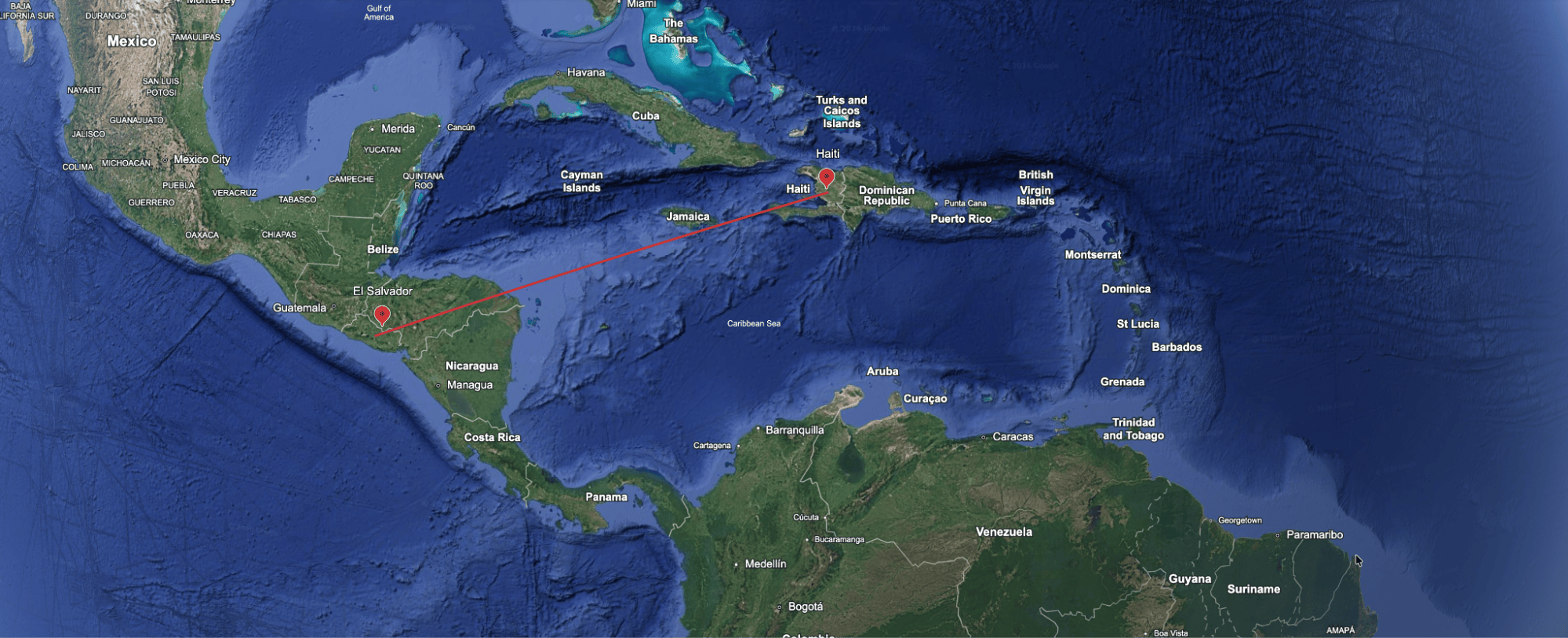
Situated about 1,200 miles from Haiti by air, El Salvador, a rustic of 6.5 million individuals, noticed its murder fee fall from a homicide fee of 106.3 per 100,000 individuals in 2018 to 1.9 per 100,000 in 2024 below Bukele’s rule, in keeping with the government’s English-language site.
To realize these outcomes, the Salvadoran authorities has employed a mix of army operations to arrest suspects in gang-controlled areas and group engagement efforts to reintegrate former criminals into society.
For supporters, these actions signify a authorities prepared to confront prison teams and reclaim territory. Photos of mass arrests, closely guarded prisons and large-scale safety operations have circulated broadly on social media, serving to set up Bukele’s repute past El Salvador.
That picture resonates with some Haitians who wish to see their very own authorities take decisive motion towards armed teams.
Throughout the area, Bukele is each credited for restoring safety to his nation and criticized for alleged human rights abuses, significantly these linked to situations in its notorious, sprawling prison — CECOT.

Along with addressing crime immediately and with a heavy hand, students say Bukele has taken different steps aligned along with his safety strategy. Underneath this “Bukele Mannequin” — additionally referred to as the “Bukele Framework” or “Bukeleism” by some students — El Salvador has developed a hybrid system of presidency that mixes institutional self-discipline, authorized reinterpretation and near-total management over public narratives and state buildings.
“What issues is how successfully leaders undertaking management and competence – not how energy is constrained, contested, or held accountable,” wrote Jaden Busard in a 2025 paper for New York College’s grasp’s program in worldwide relations.
“This doesn’t assure sturdiness, and Bukele’s mannequin should still falter below financial pressure, institutional fatigue, or political overreach,” Busard continued within the paper’s conclusion. “He has up to now met each impediment; and so long as his regime delivers safety, features sufficiently, and operates strategically with home and worldwide companions, it can stay viable – and more and more enticing – throughout a worldwide panorama the place legitimacy is manufactured and democracy merely carried out.”
Sandra Pellegrini, regional group lead for Latin America and the Caribbean at Armed Battle Location & Occasion Knowledge (ACLED), a assume tank and conflict-monitoring group, was extra direct.
She cautioned towards seeing El Salavador’s army techniques as the principle answer.
“[El Salvador] achieved its important decline in violence by way of the mass incarceration of alleged gang members — a capability that the Haitian state at the moment lacks, each when it comes to jail infrastructure and a functioning judicial system,” Pellegrini informed The Haitian Occasions.
“El Salvador additionally stays below a state of emergency that depends on particular authorized provisions,” she mentioned. “The lingering query, even there, is what occurs when these particular operations and powers cease, and whether or not any discount in violence can actually be sustained.”
Lately, a number of leaders within the area, together with Nicaragua, have tried completely different features of the Bukele strategy, akin to setting up mega prisons like CECOT.
Now, Haiti seems to be giving Bukele an opportunity to show whether or not his strategy can work there. After weeks of reaching out on to Haitians in Creole on social media — even invoking Dessalines’ title and historic significance — Bukele introduced a “present” on Nov. 18 within the type of army strikes concentrating on a gang chief.
A day earlier, Haiti’s Council of Ministers accepted a bilateral agreement between Haiti and El Salvador, in keeping with a publish on the Haitian Prime Minister’s Workplace’s Fb web page. Particulars of the accord stay unknown, as neither authorities has launched the doc.
On Nov. 19, El Salvador’s parliament voted to approve the deployment of Salvadoran troopers for not less than one 12 months, extending an authorization passed Sept. 29. The legislative physique didn’t disclose the phrases of the deployment, with El Salvador’s protection minister saying that doing so may endanger the troops.
Then, on Nov. 21, Haiti’s minister of justice and public safety, Patrick Pélissier, introduced an settlement with El Salvador to construct three new prisons in Haiti following an official go to to the Central American nation.
Sovereignty versus survival
The demonstrations have uncovered a disagreement amongst Haitians over what sovereignty means when the state can not defend its individuals.
The promise of reduction from Bukele’s troops has additionally raised questions – and debates – about Bukele’s motives and the final word plan for Haiti. That’s, can El Salvador actually be the savior Haiti has yearned for to succeed in stability, and at what value.
On social media, customers have expressed differing views concerning the deployment.
Berthrude Albert, the co-founder of P4H Global and social media influencer, drew some backlash when she confused in a video that “Bukele is just not, can not, is not going to be our savior.”
Albert, a growth professional who has studied Latin America and visited El Salvador to look at Bukele’s insurance policies firsthand, acknowledged his actions as an vital first step. Nonetheless, she emphasised, “there’s part of this work that solely Haitians can full.”
Himmler Rebu, a former member of the Haitian Armed Forces, argues no overseas nation can assure the safety of one other nation with out a real nationwide safety coverage. Nowhere can a gang, even an organized prison group, be stronger than the state.
“An armed territorial presence is the job of the military’s particular forces. Not the military itself, however the military’s particular forces,” Rebu mentioned. “The day we wish to resolve the issue, we’ll be ready for an investigation inside the police into those that are in collusion with gangs.”
Gamarra, the political scientist at FIU, believes it’s nonetheless too early to make a full evaluation of the Salvadoran intervention, other than the truth that it has taken out two gang leaders’ properties. He notes that, in latest electoral campaigns, significantly in Argentina, Chile, Brazil, Ecuador and Colombia, many leaders have spoken concerning the “Bukele answer” to enchantment to supporters.
“Everybody appears to imagine that what he has executed there [in El Salvador] is miraculous,” Gamarra mentioned. “So there’s a number of hope, however the query of how you can export this mannequin has all the time been there.”
Speck, of the CSIS, sees the addition of two,500 Salvadoran troops and helicopters as a extremely seen enhance to anti-gang operations and a supply of hope for the Haitian individuals. Such reinforcements could be efficient if the Salvadoran contingent coordinates with the Haitian police and the GSF. Nonetheless, she too expressed reservations over the shortage of readability concerning the Salvadoran authorities’s precise aims.
“Blowing gang homes up is just not a long-term technique,” Speck mentioned. “The gangs can retreat and are available again, as they’ve up to now.”
Regardless of the open query, for a lot of, what issues most now could be rapid reduction they usually reject those that have reservations about Bukele outright.
One X consumer, going by Stamara Lagrenad, mentioned in a publish that the sovereignty argument is a ruse for individuals with a vested curiosity in sustaining an unsafe Haiti.
“Nayib Bukele, please give us Haiti with out gangs earlier than we elect an anti-gang, anti-corruption Haitian who opposes corrupt businesspeople to steer the nation,” Lagrenad wrote.
Lesly Victor was among the many supporters on the rally in Brooklyn backing Bukele alongside Alexandre, advocating for a Bukele-led army presence in Haiti.
For him, “Bukele is the one pal Haiti has.”