
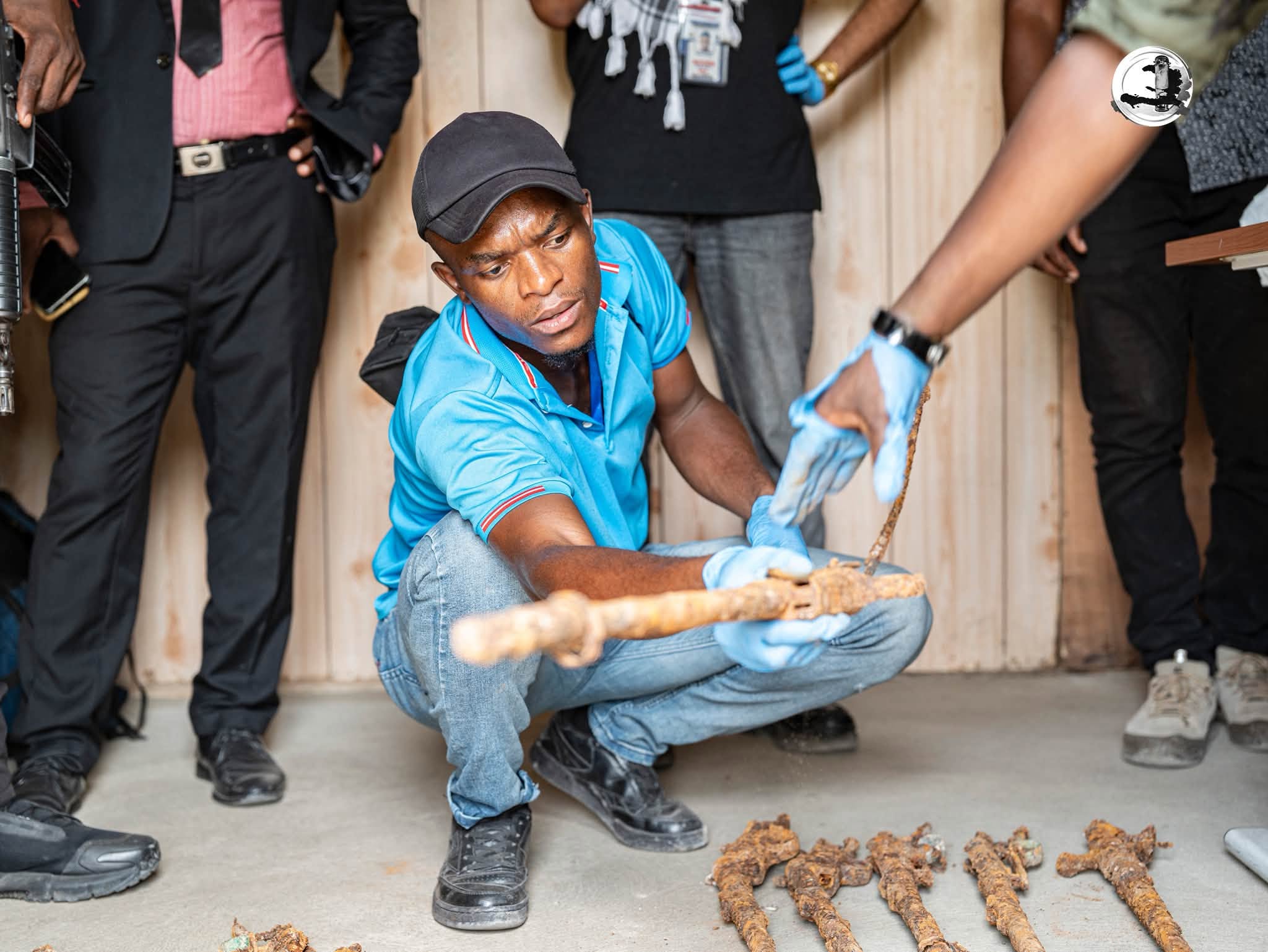
Overview:
Groups from Haiti’s Nationwide Bureau of Ethnology (BNE) traveled to Grande-Rivière-du-Nord this week after historical weapons had been uncovered throughout excavation work on the courtyard of a church. Preliminary investigations recognized 20 weapons and different relics that, in line with the Ministry of Tradition and Communication, might date again to Haiti’s pre-independence interval.
-
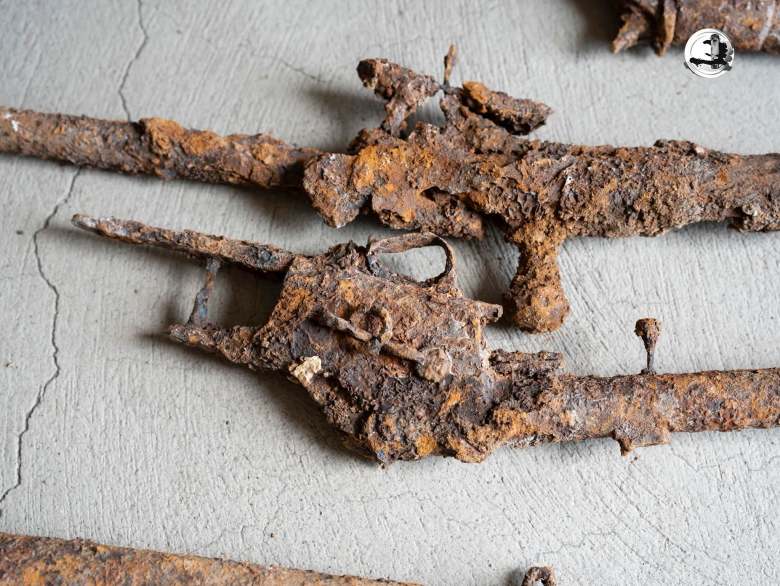
The 9 vintage rifles found in a pit within the courtyard of a church in Grande-Rivière-du-Nord, Haiti’s Nord Division, had been offered by the Nationwide Bureau of Ethnology (BNE) on Thursday, July 16, 2026. Photograph by way of the BNE’s Fb web page
-
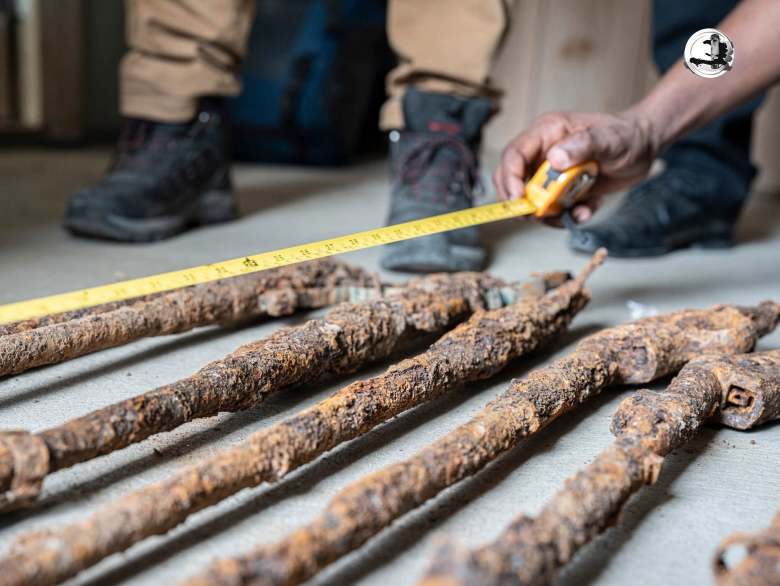
The 9 vintage rifles found in a pit within the courtyard of a church in Grande-Rivière-du-Nord, Haiti’s Nord Division, had been offered by the Nationwide Bureau of Ethnology (BNE) on Thursday, July 16, 2026. Photograph by way of the BNE’s Fb web page
-
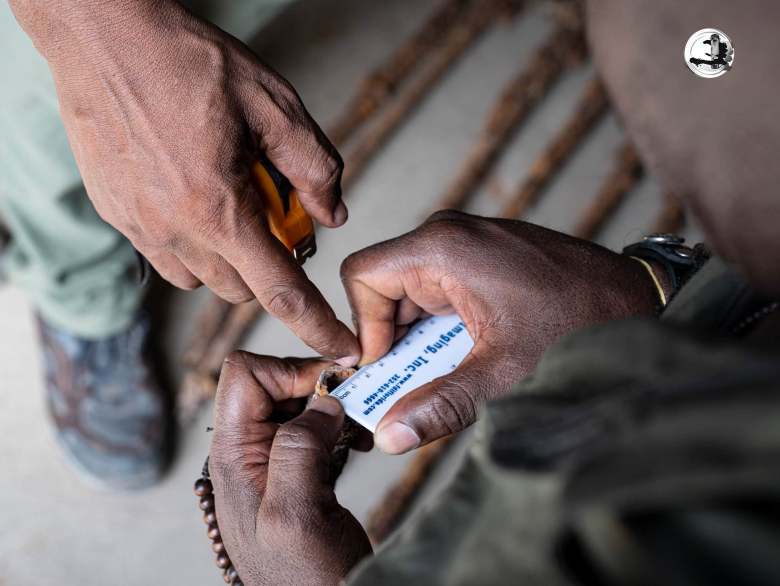
The 9 vintage rifles found in a pit within the courtyard of a church in Grande-Rivière-du-Nord, Haiti’s Nord Division, had been offered by the Nationwide Bureau of Ethnology (BNE) on Thursday, July 16, 2026. Photograph by way of the BNE’s Fb web page
GRAND-RIVIÈRE-DU-NORD, Haiti — Vintage firearms found in a trove of relics beneath a church in Grande-Rivière-du-Nord might date again to the 18th century, cultural consultants mentioned Thursday. They added the discover is a big step in efforts to protect Haitian heritage in that a part of the nation.
“Specialists consider that a few of these weapons could also be linked to the pre-independence interval,” the Ministry of Tradition and Communication mentioned in a statement Thursday. “Preliminary observations point out that a number of the firearms show traits in line with naval or infantry weapons from the late 18th century.”
“Among the firearms show traits in line with naval or infantry weapons from the late 18th century.”
Ministry of Tradition and Communication
The 20 or so objects had been uncovered Tuesday throughout excavation work within the courtyard of the Conservative Baptist Church. Movies of the traditional weaponry have been circulating on social media since.
By Thursday, members of the National Bureau of Ethnology (BNE) — the establishment accountable for documenting and preserving Haiti’s cultural heritage, historic collections and archives — had been on the website. Throughout the go to, BNE recognized 20 weapons, together with 9 musket-like rifles and 11 handguns.
-
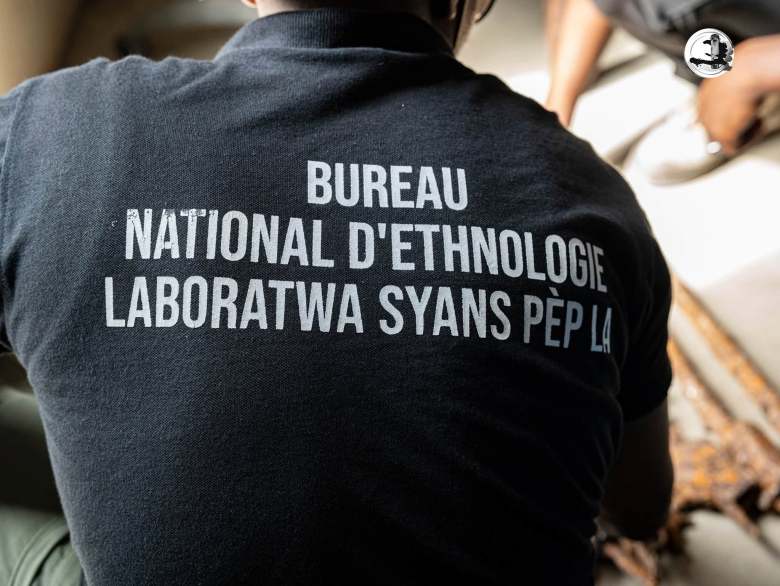
The Nationwide Bureau of Ethnology (BNE) workforce together with native officers and leaders through the archeological go to to view the artifacts discovered beneath the Conservative Baptist Church in Grande-Rivière-du-Nord on Thursday, July 16, 2026. Photograph by way of BNE’s Fb web page
-
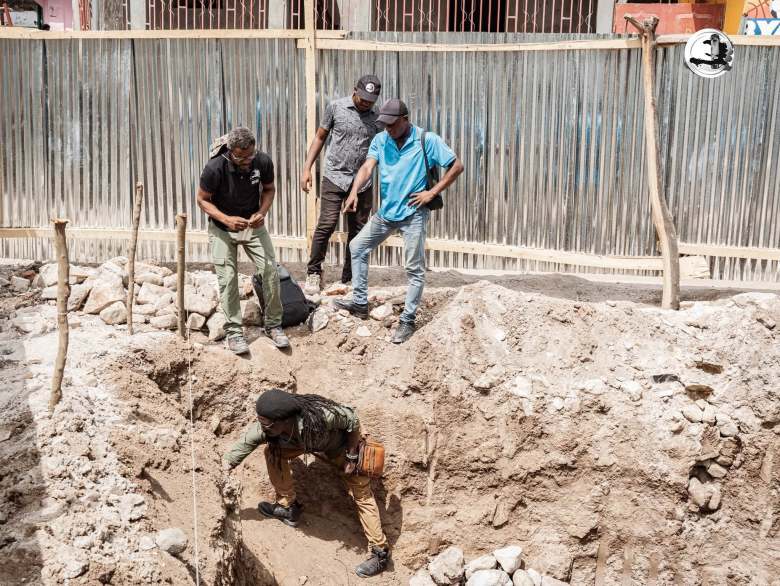
The Nationwide Bureau of Ethnology (BNE) workforce together with native officers and leaders through the archeological go to to view the artifacts discovered beneath the Conservative Baptist Church in Grande-Rivière-du-Nord on Thursday, July 16, 2026. Photograph by way of BNE’s Fb web page
-
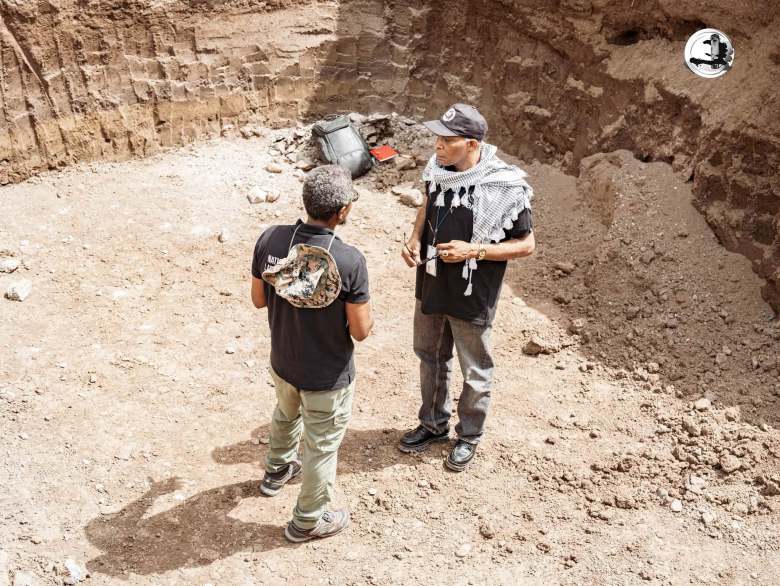
The Nationwide Bureau of Ethnology (BNE) workforce together with native officers and leaders through the archeological go to to view the artifacts discovered beneath the Conservative Baptist Church in Grande-Rivière-du-Nord on Thursday, July 16, 2026. Photograph by way of BNE’s Fb web page
-
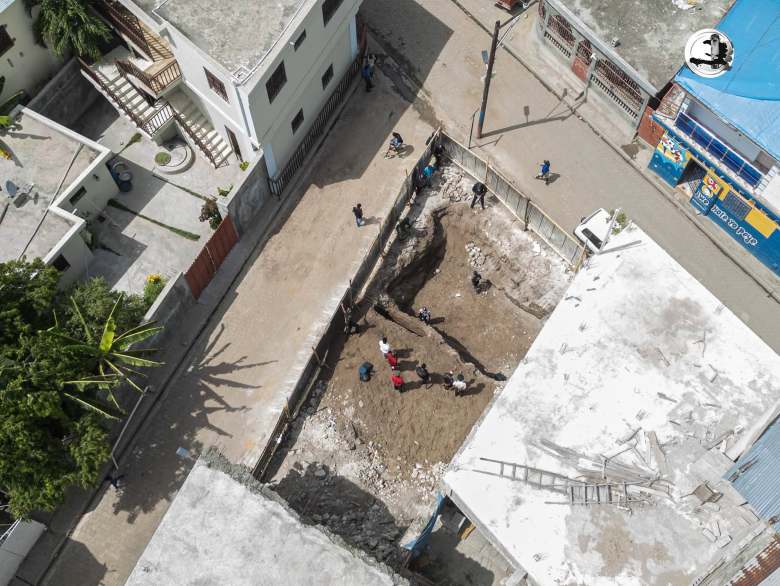
The Nationwide Bureau of Ethnology (BNE) workforce together with native officers and leaders through the archeological go to to view the artifacts discovered beneath the Conservative Baptist Church in Grande-Rivière-du-Nord on Thursday, July 16, 2026. Photograph by way of BNE’s Fb web page
-
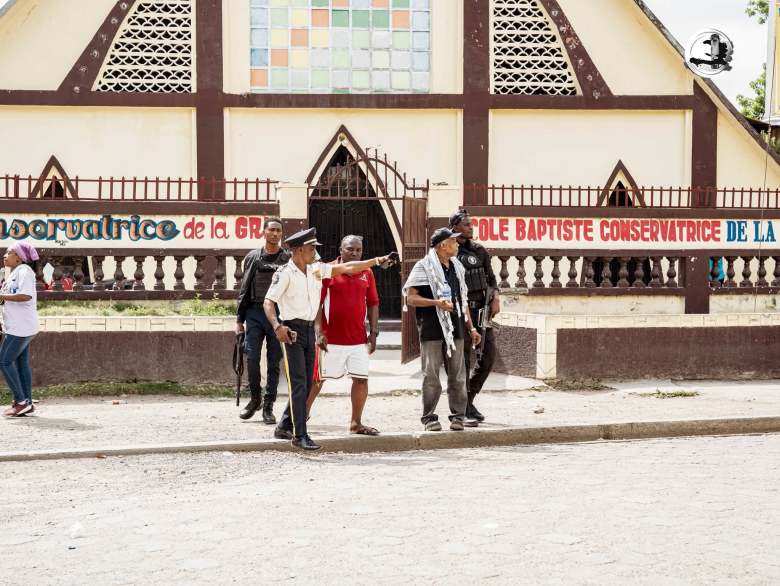
The Nationwide Bureau of Ethnology (BNE) workforce together with native officers and leaders through the archeological go to to view the artifacts discovered beneath the Conservative Baptist Church in Grande-Rivière-du-Nord on Thursday, July 16, 2026. Photograph by way of BNE’s Fb web page
Led by BNE Director Common Erol Josué and archaeologist Dr. Joseph Sony Jean, the team also documented several other archaeological remains, notably metal objects and fragments of pottery and earthenware.
“The goal is to establish the collection’s date and historical significance in order to better understand and promote Haiti’s cultural heritage,” the Bureau said.
BNE’s team also met with the mayor of the municipality, Jovenel Jean, and church and school officials, to discuss the necessary measures to protect and preserve this newly discovered historical heritage.
Research at the site will continue, the cultural experts said. They also encourage the revival of efforts to open a Heritage Interpretation Center in the commune and to develop heritage and archaeology education programs for the population of Grande-Rivière-du-Nord.
“For the BNE, this discovery is not only archaeological,” said the Bureau of Ethnology. “It is an opportunity to launch new ethnographic and archaeological research into the contribution of Grande- Rivière-du-Nord to Haiti’s history.”